Seasonal Math Challenges: Keep Your Child Engaged Year-Round


As the seasons change, so do the opportunities to engage your child in fun and educational activities. One area that can benefit from a year-round approach is mathematics. By incorporating seasonal math challenges, you can help your child build a love for math while taking advantage of the unique opportunities each season presents.
Spring: Blossoming Math Skills
Spring is a time of renewal and growth, making it perfect for cultivating new math skills. Encourage your child to explore the world around them with math-focused nature walks. Have them count the number of different flowers they see or calculate the area of a garden bed. These activities not only strengthen math skills but also foster an appreciation for nature.
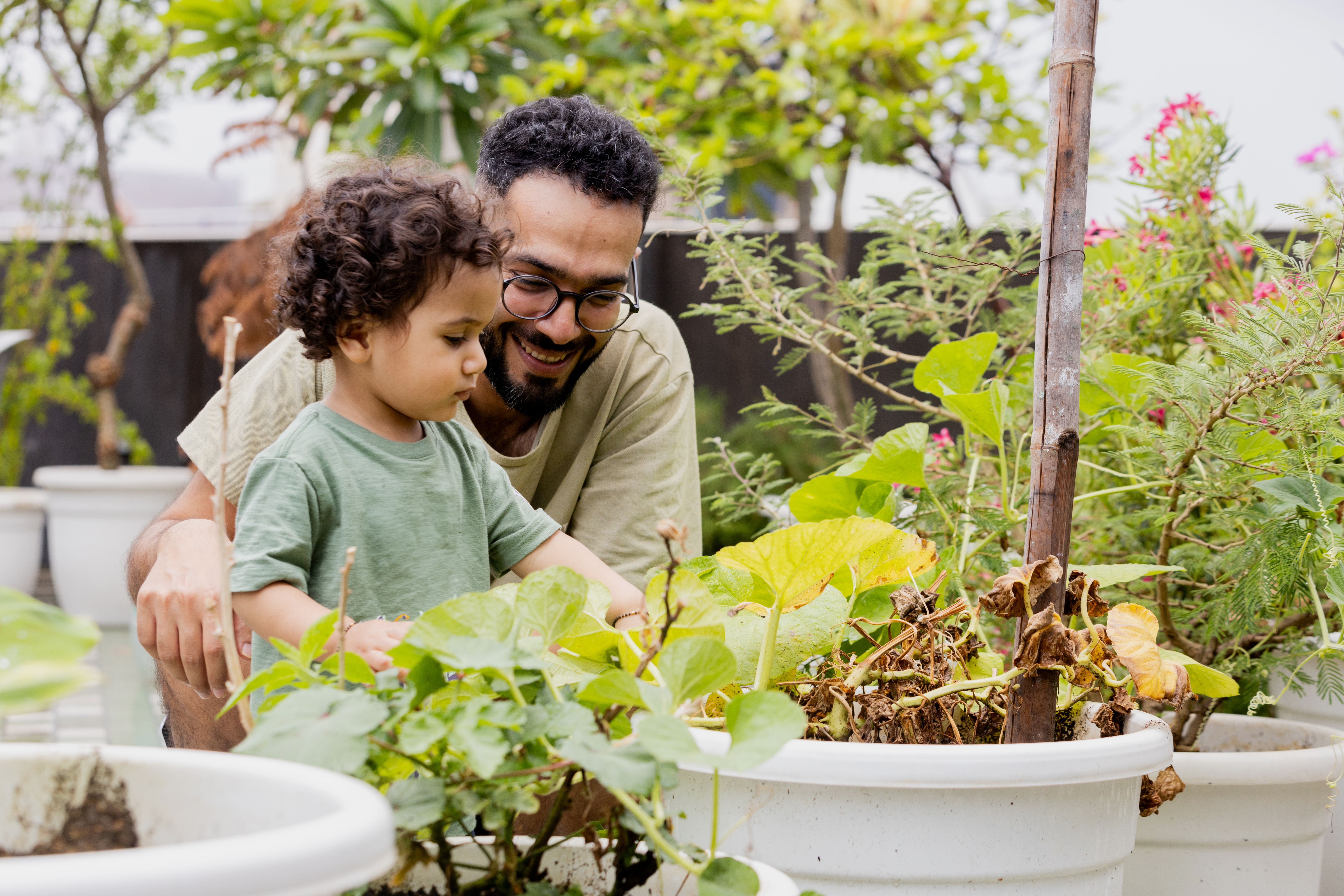
Another engaging spring activity is to use math in gardening. Encourage your child to measure plant growth over time or calculate how many seeds are needed for a certain area. These hands-on experiences make math tangible and relevant.
Summer: Math Adventures Under the Sun
Summer offers a plethora of opportunities for math exploration. Use trips to the beach or park to introduce concepts like geometry and estimation. For instance, challenge your child to estimate the number of pebbles in a small area or use geometric shapes to build sandcastles.
Cooking is another excellent way to incorporate math into everyday activities. Have your child assist with measuring ingredients, doubling recipes, or even budgeting for a family picnic. These real-world applications help solidify their understanding of mathematical concepts.

Fall: Harvesting Knowledge
Fall brings a bounty of ways to integrate math into daily life. Use the vibrant foliage as an opportunity to explore patterns and symmetry with leaf rubbings or crafts. Have your child collect leaves and sort them by size or color, introducing basic sorting and categorization skills.
Pumpkin carving can also be transformed into a math lesson by measuring circumference, counting seeds, or creating geometric designs on pumpkins. These activities make math festive and fun, keeping children engaged through the autumn months.

Winter: Cozy Calculations
During winter, indoor activities become more appealing. Use this time to introduce more structured math challenges such as puzzles and board games that require strategic thinking and problem-solving. Games like chess or Sudoku are excellent for developing critical thinking skills.
Winter weather can also be a source of inspiration. Encourage your child to measure snowfall and track temperature changes over time, introducing them to data collection and analysis. These activities teach valuable skills while keeping math exciting even during the coldest months.

Year-Round Math Engagement
By adapting math challenges to fit each season, you can keep your child engaged and learning all year long. The key is to make math relevant to their current environment and interests. Encourage curiosity and creativity in solving problems, and celebrate their progress along the way.
With these seasonal math challenges, you not only enhance their mathematical abilities but also foster a lifelong love for learning that extends beyond the classroom.